
The whispers of the Siberut jungle carry the ancient wisdom of the Mentawai people, a culture deeply intertwined with the spirits of the natural world. At the heart of this connection are the Sikerei, the shamans who act as conduits between the physical and spiritual realms. Their existence is not merely a profession but a sacred calling, a lineage passed down through generations, ensuring the well-being of their community through profound healing rituals.
The origins of Mentawai culture are as ancient and untamed as the rainforests they inhabit. For centuries, isolated on their islands off the coast of Sumatra, the Mentawai developed a unique worldview, one where every element of nature possesses a spirit, from the towering trees to the smallest insect. The Sikerei are the custodians of this animistic belief system. They understand the intricate balance of the forest and the subtle energies that flow through it, believing that illness is often caused by a disruption in this balance, an imbalance that angers or displeats the spirits.
Their role extends far beyond physical healing. Sikerei are also spiritual guides, mediators, and keepers of ancestral knowledge. They possess an encyclopedic understanding of medicinal plants, their properties, and the precise methods for their preparation. This knowledge is not learned from books but from direct experience, from observing the forest, and from receiving guidance from the spirits themselves, often through trance states induced by chanting and rhythmic drumming.
The Heart of Mentawai Healing: Rituals and Spirits
The ceremonies conducted by the Sikerei are vibrant and deeply symbolic, designed to appease spirits, restore harmony, and mend both the body and soul. These rituals are not performed in sterile environments but within the communal longhouses, known as 'uma', where the entire community often participates, offering their support and collective energy. The air within the uma becomes charged with anticipation, the flickering firelight casting dancing shadows on the intricate carvings that adorn the wooden walls, each telling a story of ancestral lineage and spiritual connection.
The preparation for a healing ritual can be extensive. The Sikerei will often spend days gathering specific herbs, roots, and leaves, guided by an intuitive understanding of what the spirits require. These ingredients are then meticulously prepared, pounded into pastes, brewed into potent decoctions, or burned as sacred incense. The sounds of the forest itself often become part of the ceremony, with the Sikerei mimicking the calls of birds or the rustling of leaves to invoke specific spirits.
A central element of many healing ceremonies involves the use of 'pulau', a sacred trance-inducing substance derived from a specific vine. When ingested, it is believed to open the Sikerei's mind to the spirit world, allowing them to communicate directly with the entities responsible for the illness. During these trances, the Sikerei might engage in intense chanting, accompanied by the percussive beat of the 'gajeum' drum and the melancholic notes of the 'gondrur' flute. Their movements become fluid and expressive, mirroring the actions of the spirits they are interacting with. They might perform symbolic dances, reenact the cause of the ailment, or engage in spirited dialogues with the unseen forces.

The Language of the Body: Tattoos and Adornments
The physical appearance of a Sikerei is a testament to their spiritual authority and their deep connection to Mentawai culture. Intricate tattoos, known as 'titi', adorn their bodies, each pattern carrying specific meanings and protections. These are not mere decorations but sacred markings, applied using traditional tools and natural dyes derived from plants. The tattooing process itself is often a ritualistic undertaking, imbued with spiritual significance, and the resulting artwork serves as a visible map of their spiritual journey and their connection to the ancestral spirits.
Beyond tattoos, Sikerei often wear elaborate headdresses made from feathers and animal hair, and adorn themselves with necklaces and bracelets crafted from seeds, shells, and animal teeth. These adornments are believed to enhance their spiritual power and offer protection during their journeys into the spirit world. The colors, textures, and specific materials used are all chosen for their symbolic resonance and their ability to attract or repel certain energies. The overall effect is one of profound presence, a tangible embodiment of the ancient forces they channel.
Crafts of the Forest: Tools for Healing and Connection
The creation of ceremonial tools and everyday objects is an integral part of Mentawai life, and the Sikerei are often skilled artisans. Their crafts are not simply utilitarian; they are imbued with spiritual significance and are often used in their healing practices. The 'gajeum', a single-headed drum, is essential for rhythmic accompaniment during ceremonies, its resonant sound believed to ward off malevolent spirits and guide the shaman's trance. The 'gondrur', a bamboo flute, produces haunting melodies that are thought to soothe agitated spirits and bring about a sense of peace.
Another significant craft is the creation of 'paragat', or medicine pouches, which are intricately woven from plant fibers and often decorated with beads or small animal bones. These pouches hold the sacred herbs and ingredients that the Sikerei uses in their healing concoctions. The process of creating a 'paragat' is a meditative act, with each knot and weave infused with intention and prayer. The patterns and colors chosen for the pouch are believed to correspond to the specific properties of the herbs it contains, further enhancing their efficacy.

The 'Uma': A Sacred Dwelling and Communal Heart
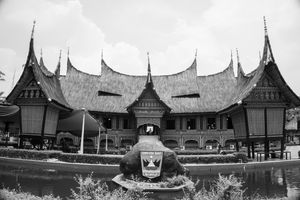
The 'uma', the traditional Mentawai longhouse, is more than just a dwelling; it is the spiritual and social nucleus of the community. These impressive structures, built from natural materials sourced from the surrounding jungle, are designed to house multiple families and serve as the venue for important ceremonies, gatherings, and, of course, healing rituals. The architecture itself holds symbolic meaning, with the pointed roof representing the connection to the heavens and the raised floor separating the living world from the earth and the spirits below.
Inside the uma, the atmosphere is often thick with the scent of woodsmoke and drying herbs. The central hearth is the heart of the house, providing warmth and light, and serving as a focal point for communal life. The walls are often adorned with intricate carvings and ancestral effigies, which are believed to protect the inhabitants and honor the spirits of the ancestors. The Sikerei often have a designated space within the uma where they prepare their medicines and conduct private consultations. The communal nature of the uma reinforces the interconnectedness of the Mentawai people, emphasizing their reliance on each other and on the spiritual forces that guide them.
The Enduring Legacy of Mentawai Culture
The Mentawai Sikerei stand as guardians of an ancient and profound healing tradition. Their practices, deeply rooted in the animistic beliefs of the Mentawai people, offer a unique perspective on the relationship between humanity and the natural world. In a rapidly changing world, the enduring legacy of Mentawai culture, embodied by the wisdom and dedication of the Sikerei, serves as a powerful reminder of the importance of spiritual connection, the healing power of nature, and the profound wisdom that can be found in listening to the whispers of the jungle.

The continuation of these traditions is not without its challenges, as modernization and external influences inevitably touch even the most remote corners of the archipelago. Yet, the resilience of the Mentawai spirit, and the unwavering commitment of the Sikerei to their ancestral ways, ensures that the ancient healing rituals of Siberut will continue to echo through the emerald canopy for generations to come.
People Also Ask
What is a Sikerei?
A Sikerei is a traditional shaman or healer within Mentawai culture, acting as an intermediary between the human and spirit worlds.
What are the main beliefs of Mentawai culture?
Mentawai culture is rooted in animism, believing that all natural elements possess spirits, and that maintaining balance with these spirits is crucial for well-being.
What is the purpose of Mentawai healing rituals?
These rituals aim to restore balance, appease spirits, diagnose and cure illnesses, and ensure the overall health and harmony of the community and the natural environment.
What are the traditional Mentawai longhouses called and what is their significance?
Traditional longhouses are called 'uma'. They are the spiritual and social centers of Mentawai communities, housing families and hosting important ceremonies.
What kind of crafts are associated with Mentawai culture?
Mentawai crafts include the creation of ceremonial drums ('gajeum'), flutes ('gondrur'), medicine pouches ('paragat'), and intricate body tattoos ('titi').
How are Mentawai Sikerei trained?
Sikerei are typically trained through generations of oral tradition, direct mentorship from elder shamans, and spiritual guidance received through trance states.
What is the significance of Mentawai tattoos ('titi')?
Mentawai tattoos are not merely decorative; they are sacred markings that signify spiritual journeys, protections, and connections to ancestral spirits and the natural world.