On the island of Nias, a tradition known as Nias stone jumping endures, a powerful testament to ancestral strength and unwavering spirit. High in the village of Bawomataluo, young men face a formidable challenge: a two-meter stone monolith, waiting to be cleared in a single, audacious leap. This is more than a feat of athleticism; it is a profound ritual, a living echo of a warrior past, shaping the identity of generations. The practice, known locally as Fahombo or Hombo Batu, transcends mere sport. It is a passage, a demonstration of courage, and a vibrant connection to a heritage spanning centuries.
Bawomataluo: A Citadel Forged in Stone
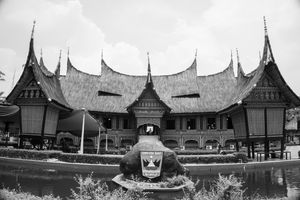
Bawomataluo, meaning 'Sun Hill' in the local dialect, commands a prominent ridge on South Nias. The village itself is a monument, a living architectural marvel built upon a foundation of megalithic stones. Rows of impressive stone benches, platforms, and monolithic pillars line the central plaza, silent witnesses to countless ceremonies and gatherings. Houses, known as Omo Hada, stand proudly, their towering, saddle-backed roofs soaring upwards, resembling the prows of ancient ships. These traditional dwellings are not merely shelters; they are intricate works of art, constructed without nails, using complex joinery and robust timber. Each element, from the massive timber posts to the detailed carvings, holds symbolic meaning, reflecting the cosmological beliefs and social hierarchy of the Nias people.
The village plan is a deliberate design, a microcosm of the Nias worldview. It is laid out in terraces, with the chief’s house often positioned at the highest point, signifying status and protection. Stone staircases, worn smooth by generations of footsteps, connect the different levels, leading residents and visitors through a landscape that blurs the lines between nature and human endeavor. Bawomataluo represents a sophisticated society that mastered stone architecture long before external influences arrived, creating a lasting legacy that continues to define their cultural identity.

Fahombo: The Roots of Nias Stone Jumping and Warriorhood
The tradition of Nias stone jumping, Fahombo, is deeply embedded in the island’s martial history. For centuries, Nias was a land of formidable warriors, and inter-village conflict was common. The ability to leap over obstacles, such as enemy walls or traps, was a critical skill for any combatant. Fahombo evolved from these practical necessities into a ritualistic display of strength, agility, and courage, serving as a rite of passage for young men.
To successfully execute Fahombo, a jumper must clear a stone monolith typically standing two meters high and about 40 centimeters wide. The stone itself is tapered, making the landing even more precarious. A successful leap historically signaled a young man’s readiness for adulthood, demonstrating his physical prowess and bravery, essential qualities for a Nias warrior. It was a public affirmation of his capability to protect his village and contribute to its defense. The act of clearing the stone is symbolic, representing the overcoming of life’s challenges and the transition from boyhood to manhood.
The preparation for Fahombo begins years before the actual jump. Young boys practice on smaller stones, gradually increasing the height as they grow stronger and more confident. This rigorous training builds not only physical strength but also mental discipline. The community plays a vital role in this development, encouraging and guiding the aspiring jumpers. This collective effort reinforces the communal aspect of the tradition, where individual achievement reflects upon the entire village.
The Mechanics of the Leap: Precision and Power
The execution of the Nias stone jump demands a precise combination of speed, power, and coordination. A jumper typically takes a short, powerful run-up, building momentum before launching himself towards the stone. The technique involves a powerful spring from both feet, propelling the body upwards and forwards. The jumper aims to clear the top of the stone with minimal contact, often tucking his legs tightly to avoid scraping the sharp edges.
- Approach: A short, powerful sprint, typically 10-15 meters, to build maximum forward momentum.
- Take-off: A powerful two-footed launch from a designated stone platform or flat ground just before the monolith.
- Ascent: The jumper propels himself upwards, arching his back and tucking his legs to clear the stone's height.
- Clearance: The most critical phase, where the body passes over the two-meter-high, 40-centimeter-wide stone. Minimal contact is desired.
- Landing: A controlled, two-footed landing on the opposite side, maintaining balance and upright posture.
A successful jump is met with cheers and celebration from the community. A failed jump, while not uncommon, can result in injury, underscoring the inherent danger and the bravery required for the feat. The jumpers often wear traditional attire, including headbands and loincloths, further connecting the athletic display to its cultural roots. The sight of a young man soaring over the stone, silhouetted against the sky, is a powerful visual spectacle, embodying the strength and spirit of Nias.

Beyond the Stone: Rites, Feasts, and Community
Fahombo is rarely an isolated event; it is often part of larger ceremonial gatherings that bring the entire community together. These ceremonies are vibrant affairs, filled with traditional music, dance, and elaborate feasts. Before a major jumping event, various rituals may be performed, sometimes involving offerings to ancestors, seeking their blessings for a safe and successful jump. The communal aspect is paramount, emphasizing the interconnectedness of individuals within the village structure.
The sounds of gongs and drums, traditionally played by women, create a rhythmic backdrop for the proceedings. Chants and songs recount ancestral legends and praise the courage of the jumpers. Food is prepared in abundance, often featuring roasted pork, a staple for celebrations, shared generously among residents and visitors. These feasts are not merely meals; they are expressions of communal solidarity and gratitude, reinforcing social bonds.
A successful jumper gains not only personal honor but also brings pride to his family and village. He is seen as a fully initiated member of the community, ready to take on adult responsibilities. While the immediate threat of inter-village warfare has receded, the symbolic significance of Fahombo remains potent, instilling values of discipline, courage, and respect for tradition in each new generation.
Crafting Identity: The Art of Nias Woodcarving and Omo Hada
The martial spirit and rich cultural heritage of Nias are also expressed through its intricate crafts, particularly woodcarving and the construction of the Omo Hada houses. Nias woodcarving is renowned for its detailed ancestor figures (adu), mythological creatures, and ornamental motifs that adorn homes, ceremonial objects, and even weapons. These carvings are not simply decorative; they serve spiritual purposes, representing ancestral spirits, protective deities, or symbols of fertility and prosperity.
The Omo Hada itself is a masterpiece of traditional engineering and artistry. These houses, often reaching heights of 15 meters, are earthquake-resistant marvels, designed to sway with tremors rather than collapse. The construction process is a communal effort, requiring the skilled craftsmanship of many. Inside, the houses are typically open-plan, with a central hearth and elevated platforms for sleeping. The structural elements are often carved with geometric patterns, animal figures, and human forms, each telling a story or invoking a protective power.
| Feature | Description | Significance |
|---|---|---|
| Adu (Ancestor Figures) | Carved wooden sculptures representing deceased ancestors, often highly stylized with prominent features. | Believed to house the spirits of ancestors, providing guidance, protection, and blessings to the family. Placed in prominent positions within the Omo Hada. |
| Omo Hada (Traditional House) | Large, stilt-supported wooden houses with towering, saddle-shaped roofs, built without nails. | Symbol of Nias cultural identity, social status, and communal life. Designed to be earthquake-resistant. The roof often represents the sky, and the stilts connect to the earth, reflecting cosmological beliefs. |
| Beads and Ornaments | Intricate necklaces, bracelets, and headpieces made from shells, glass beads, and precious metals. | Worn during ceremonies and by individuals of status. Signify wealth, social standing, and often have protective or spiritual properties. |
| Weapons (e.g., Pedang Nias) | Traditionally crafted swords, daggers, and shields, often with elaborate hilts and engravings. | Tools for warfare and hunting, but also symbols of warrior status and tribal identity. Often adorned with carvings that bestow power or protection upon the wielder. |
These crafts demonstrate the holistic nature of Nias culture, where every object and structure is imbued with meaning and reflects a deep connection to history, spirituality, and community. They are living archives of knowledge, passed down through generations, just like the practice of Fahombo.

Guardians of Tradition: Preserving the Spirit of Nias Stone Jumping
Today, the practice of Nias stone jumping faces the challenges of modernity. The traditional context of warrior training has evolved, and young people are increasingly drawn to opportunities outside the village. Yet, the community of Bawomataluo, along with other villages on Nias, remains committed to preserving Fahombo. Efforts are underway to ensure that this unique tradition continues to inspire and define future generations.
Local organizations and cultural groups work to educate both residents and visitors about the significance of Fahombo. They encourage young men to participate in the training, emphasizing the cultural value and the personal growth it fosters. The practice has also become a powerful symbol of Nias identity on a national and international stage, attracting cultural enthusiasts and researchers who help highlight its importance.
The stone jumpers of Bawomataluo are more than athletes; they are custodians of a living heritage. Their leaps across the ancient stone monoliths are not just physical feats, but profound statements of cultural resilience, a defiant embrace of their ancestral past in a rapidly changing world. Each jump reaffirms the warrior spirit that shaped Nias, ensuring that the echoes of their ancestors continue to resonate across the Sun Hill.
Frequently Asked Questions
What is Nias stone jumping?
Nias stone jumping, known as Fahombo or Hombo Batu, is a traditional rite of passage for young men on Nias Island, Indonesia, where they leap over a two-meter high stone monolith, symbolizing strength, agility, and readiness for adulthood.
Where does Nias stone jumping take place?
The most famous location for Nias stone jumping is the traditional village of Bawomataluo in South Nias, where it is performed as part of ceremonies and cultural displays.
What is the historical significance of Fahombo?
Historically, Fahombo served as a warrior training exercise, demonstrating a young man's ability to overcome obstacles, such as enemy walls, and proving his readiness to defend his village. It was a crucial part of becoming a Nias warrior.
How high is the stone jumped in Fahombo?
The stone monolith used for Fahombo is typically around two meters (approximately 6.5 feet) high and about 40 centimeters (1.3 feet) wide, with a tapered top.
Are there specific rituals associated with the stone jump?
Yes, Fahombo is often accompanied by traditional Nias ceremonies, including music, dance, feasts, and sometimes ancestral offerings, emphasizing its communal and spiritual significance.
What are Omo Hada houses?
Omo Hada are the traditional, elaborately carved wooden houses of Nias, known for their distinctive saddle-backed roofs and earthquake-resistant construction, built without nails.
How is the tradition of Nias stone jumping preserved today?
Local communities and cultural organizations actively work to preserve Fahombo by encouraging young men to train, educating visitors about its importance, and showcasing it as a vital part of Nias cultural identity.