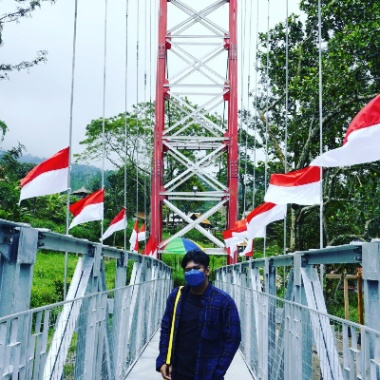

The quest for authentic island experiences often leads travelers to the edges of the map, to places where the journey itself becomes part of the story. For those seeking genuine cultural immersion and untouched natural beauty, Bawean Island travel offers a profoundly rewarding destination. This remote Indonesian outpost, sometimes called 'Pulau Putri' or the 'Island of Women,' holds a quiet allure, far removed from the more frequented tourist paths. It is a place where ancient traditions persist, and a critically endangered deer roams its dwindling forests, inviting a deeper connection with Indonesia’s lesser-known wonders.
The Odyssey to Bawean: A Passage Across the Java Sea
Reaching Bawean Island requires patience and a willingness to embrace the journey. There are no airports here, ensuring its isolation and preserving its unique character. The primary route involves a ferry trip from Gresik, a port town near Surabaya in East Java. The fast ferry, typically the KMP Express Bahari, departs several times a week, its schedule dictated by sea conditions. This passage across the Java Sea typically spans three to four hours, offering a transition from the bustling mainland to the tranquil rhythm of island life.
The journey itself is an integral part of the Bawean experience. Passengers gather at the Gresik port before dawn, a mix of returning islanders, traders, and a handful of curious visitors. As the ferry cuts through the calm morning waters, the silhouette of Java recedes, replaced by the boundless expanse of the sea. Flying fish occasionally skip across the waves, and the air grows steadily saltier, carrying the promise of a distant land. Approaching Bawean, the island emerges on the horizon as a verdant, mountainous mass, its volcanic peaks hinting at a rugged interior. Disembarking at Sangkapura, the island’s main port, visitors are met by the laid-back pace and genuine curiosity of the local population.

The 'Island of Women': A Distinct Social Fabric
Bawean's moniker, 'Pulau Putri,' is not merely a poetic flourish; it reflects a distinct demographic reality shaped by generations of migration. For centuries, Baweanese men have embarked on the merantau, a tradition of seeking work abroad, primarily in Malaysia and Singapore. This movement, driven by limited economic opportunities on the island, leaves a majority of the women to manage daily life, families, and local affairs.
This phenomenon has fostered a matriarchal strength and communal resilience unique within Indonesia. Women are visible in all aspects of island society: running small shops, cultivating fields, raising children, and maintaining social structures. Their presence defines the island's energy, creating a warm, supportive environment where community bonds are exceptionally strong. This social dynamic gives Bawean a palpable sense of peace and order, a testament to the organizational prowess and enduring spirit of its female population. Visitors observe this quiet strength in the markets, on the village paths, and within family compounds, a defining feature of the island's identity.
Guardians of the Forest: The Rare Bawean Deer
Deep within Bawean's forested interior lives one of the world's most elusive and critically endangered mammals: the Bawean deer (Axis kuhlii). This small, reddish-brown deer, endemic only to Bawean Island, is a symbol of the island’s unique biodiversity and the urgent need for conservation. An adult stands about 65-70 centimeters tall at the shoulder, weighing around 50-60 kilograms. Males possess small, three-tined antlers.
Definition: Endemic Species An endemic species is a species that is unique to a defined geographic location, such as an island, country, or other specific habitat, and is not naturally found elsewhere in the world. The Bawean deer is a prime example, found exclusively on Bawean Island.
The Bawean deer's population is estimated to be fewer than 300 individuals, primarily threatened by habitat loss due to agricultural expansion and poaching. Conservation efforts are underway, involving local communities, government agencies, and international organizations, focusing on protecting the remaining forest fragments, community education, and anti-poaching initiatives. Spotting a Bawean deer in the wild is exceptionally rare, requiring deep forest treks and immense luck, but their presence is a constant reminder of the island's precious natural heritage. Local guides are knowledgeable about their habitat, and supporting conservation-focused tourism helps protect these magnificent creatures.

Coastal Charms: Beaches, Lagoons, and Sandbars
Beyond its cultural and ecological heart, Bawean offers pristine coastal landscapes that rival Indonesia’s more famous destinations. The island's shoreline is a collection of white-sand beaches, hidden lagoons, and vibrant coral reefs, all largely untouched by mass tourism.
- Tanjung Gaang: This dramatic headland on the island's western side features unique rock formations, small coves, and clear turquoise waters perfect for swimming. The ascent to viewpoints provides sweeping panoramas of the coastline.
- Mayangkara Beach: Located near the village of Lebak, this expansive beach is popular with locals, especially during sunset. Its calm waters are ideal for a relaxed afternoon.
- Noko Selayar: A short boat ride from the main island, Noko Selayar is a stunning sand island, or gili, that emerges at low tide. With its brilliant white sand and surrounding coral gardens, it offers exceptional snorkeling opportunities. The marine life here includes colorful reef fish, sea turtles, and various corals, making it a small paradise for underwater exploration.
The lack of large resorts means visitors often have these serene spots almost entirely to themselves, offering a sense of discovery and tranquility rare in today's travel landscape.
Island Rhythms: Daily Life and Local Flavors
Life on Bawean unfolds at a gentle, unhurried pace. Mornings begin with the calls to prayer and the gentle hum of daily routines. Children walk to school, farmers tend their fields, and fishermen depart for the day's catch. The island's primary mode of transport is the motorbike, and visitors can rent one to explore the winding roads that connect villages, pass through rice paddies, and ascend to scenic viewpoints.
Local cuisine is simple yet flavorful, heavily reliant on fresh seafood. Grilled fish, known as ikan bakar, prepared with local spices, is a staple. Other dishes include sate tuna (tuna skewers) and various curries infused with coconut milk and aromatic herbs. Small warungs (local eateries) offer authentic tastes of Bawean. Engaging with locals, often through gestures and smiles, is a highlight. The Baweanese are known for their hospitality, often inviting visitors to share a cup of sweet tea or a simple meal, embodying the spirit of community that defines the island.

Practical Bawean Island Travel Tips
For those planning to venture to this unique Indonesian destination, a few practical considerations will enhance the experience:
- Ferry Bookings: Book ferry tickets in advance, especially during peak season or holidays. Check schedules as they can change due to weather.
- Accommodation: Options are limited, primarily guesthouses and homestays. Expect basic but comfortable facilities. It is advisable to book ahead.
- Transportation: Motorbike rental is the most practical way to explore the island. Ensure you have a valid international driving permit and feel comfortable riding on uneven roads. Local drivers can also be hired.
- Cash: There are very few ATMs on Bawean, and credit cards are not widely accepted. Bring sufficient Indonesian Rupiah for your entire stay.
- Language: Bahasa Indonesia is spoken. While some locals may have basic English, having a translation app or a phrasebook is helpful for deeper interactions.
- Respect Local Customs: Bawean is a predominantly Muslim island. Dress modestly, especially when visiting religious sites or villages. Be mindful of local traditions and customs.
- Environmental Awareness: Practice responsible tourism. Do not litter, respect wildlife habitats, and support local conservation efforts, particularly those related to the Bawean deer.
Bawean Island offers a rare opportunity to step away from the modern world and connect with a corner of Indonesia that remains remarkably authentic. It is a destination that rewards the patient and the curious, leaving an indelible impression of resilience, natural beauty, and profound human warmth.
People Also Ask
How do I get to Bawean Island?
The primary way to reach Bawean Island is by ferry from Gresik, a port town near Surabaya, East Java. Fast ferries take approximately 3-4 hours, while slower ferries can take longer.
Is Bawean Island suitable for solo travelers?
Yes, Bawean Island can be suitable for solo travelers. The local community is welcoming, and the island is generally safe. However, limited infrastructure means independent planning for transport and accommodation is essential.
What is the best time of year to visit Bawean Island?
The dry season, typically from May to October, is the best time to visit Bawean Island. The seas are calmer, making ferry travel more reliable, and the weather is ideal for exploring beaches and the interior.
What unique wildlife can I see on Bawean Island?
The most unique wildlife on Bawean Island is the critically endangered Bawean deer (Axis kuhlii), which is endemic to the island. While spotting them is rare, their conservation is a significant aspect of the island's ecological importance.
Are there good snorkeling or diving spots around Bawean Island?
Yes, the waters around Bawean Island offer good snorkeling and some diving opportunities, particularly around Noko Selayar sand island, where vibrant coral reefs and diverse marine life can be found.
What should I pack for a trip to Bawean Island?
Pack light, breathable clothing, modest swimwear, a hat, sunscreen, insect repellent, comfortable walking shoes, basic first aid, and sufficient cash. A power bank is also useful given potential electricity inconsistencies.
What kind of food can I expect on Bawean Island?
Expect simple, fresh Indonesian cuisine with a strong emphasis on seafood. Grilled fish (ikan bakar), various fish curries, and local snacks are common. Food is typically prepared in small warungs or homestays.


